Our News and Insights section shares analysis and updates on natural resource governance across Africa. We focus on emerging trends, policy developments, and real-world perspectives that inform action.
In the first article, we traced the origins of HRBA. In the second, we explored its conceptual foundations. In the third, we unpacked the PANEL principles. In the fourth, we examined the weaknesses and critiques. In the fifth, we looked at HRBA in practice within natural resource...
The first article in the series traced the origins of HRBA. The second article explored its conceptual foundations while the third article unpacked the PANEL principles. The fourth article examined the weaknesses and critiques of HRBA. Now, in this article, the fifth turns to practice...
In the first article, we traced the origins of Human Rights-Based Approaches (HRBA) in the 1990s. In the second article, we explored its conceptual foundations. The third article unpacked the PANEL principles that make HRBA actionable. Now, in the fourth article, we turn to the weaknesses...
In the first article of the series, we traced the origins of HRBA from the 1990s debates on integrating rights into development practice. In the second article, we unpacked its conceptual foundations, showing how HRBA is distinctive because it mainstreams rights into interventions....
In the previous article, we traced the evolution of the human rights–based approach (HRBA). In this piece, we examine why the approach is distinctive. The reason is pretty straightforward: it reframes development work from a focus on needs to a focus on rights. It is not about charity...
Introduction For a long time, development practice had centered on addressing the immediate and visible needs of communities, such as food, shelter, and health services, through sectoral projects and service delivery. While this approach helped alleviate the symptoms of poverty, it...
Land is the foundation of nearly all human activity—from agriculture and housing to infrastructure and industry. Yet, the way we use and govern land is often overlooked in environmental discussions. This needs to change. Environmental degradation is largely driven by human activities,...
Good morning, everyone! I want to start by thanking the organisers for putting this session together, and to Prof Kimani Njogu for giving me the opportunity to share my thoughts. I would also like to thank Dr Rudo Sithole and Dr Nancy Rushohora for providing a solid background to...
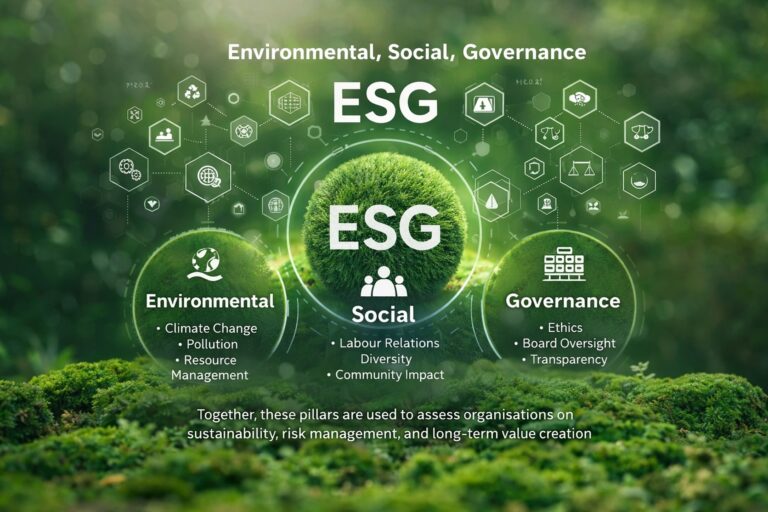
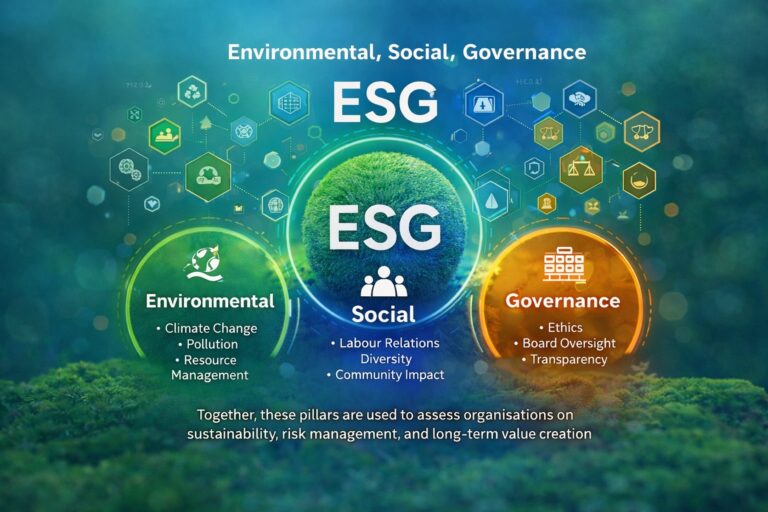
ESG, in full, refers to Environmental, Social, and Governance. Together, these three pillars are used to assess how organisations manage sustainability, risk, and long‑term value creation. As discussed in our previous article, the evolution of ESG is closely linked to the growing...

ESG did not emerge overnight. What we recognise today as Environmental, Social and Governance (ESG) principles is the result of a long evolution one that began centuries before the acronym existed. Religious groups such as the Quakers and Methodists avoided industries linked to harm,...