
In her 1990 Master’s Thesis “The Illusion of Inclusion: Women and Minorities in Corporate America,” Patricia C. Pope, one of the pioneering figures in the field of diversity, equity, and inclusion (DEI), noted that true inclusion goes beyond simply having a diverse workforce. Instead, it focuses on fostering an environment where everyone feels authentically involved and valued. She argued that people often misinterpret their roles and titles to imply power and influence, leading to a false sense (illusion) of being part of the inner circle that calls the shots in their organizations.
Since we are in March, a month widely recognized as Women’s History Month, it is worthwhile to reflect on the inclusion (or appearance of it) of women in Uganda, and perhaps Africa, in the governance of one of the most critical resources for human survival – land.
Two days after the world commemorated International Women’s Day, the Daily Monitor, Uganda’s leading media houses declared: “The women running govt.”
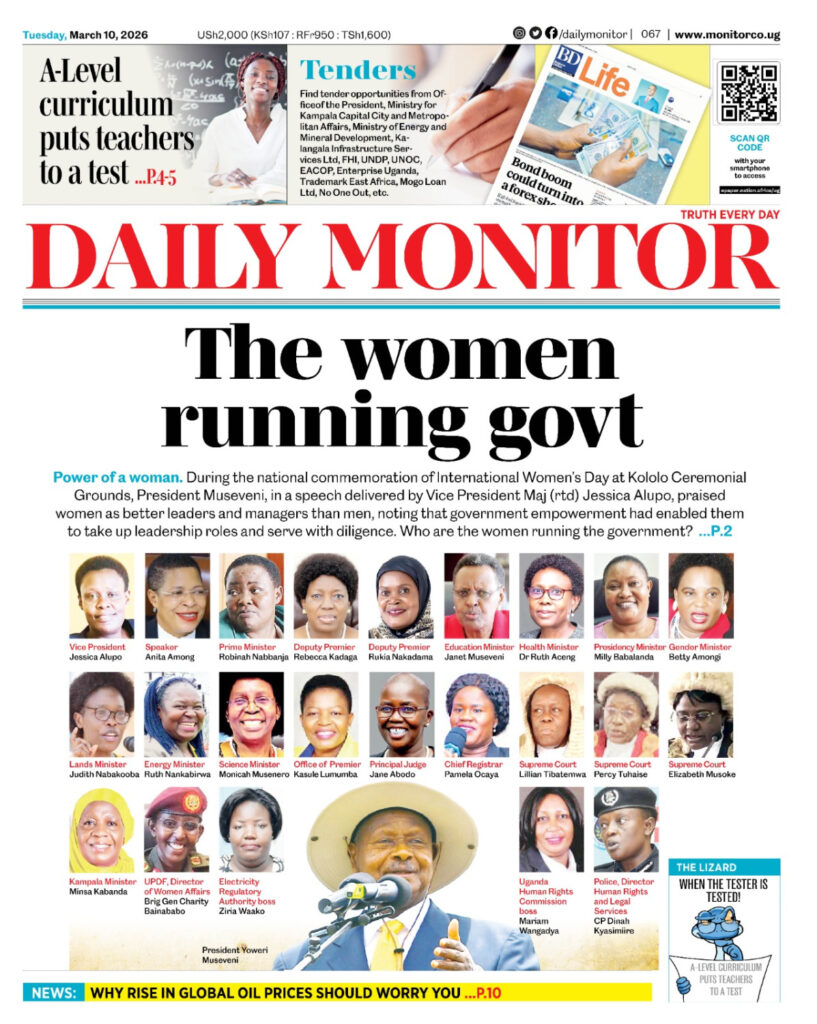
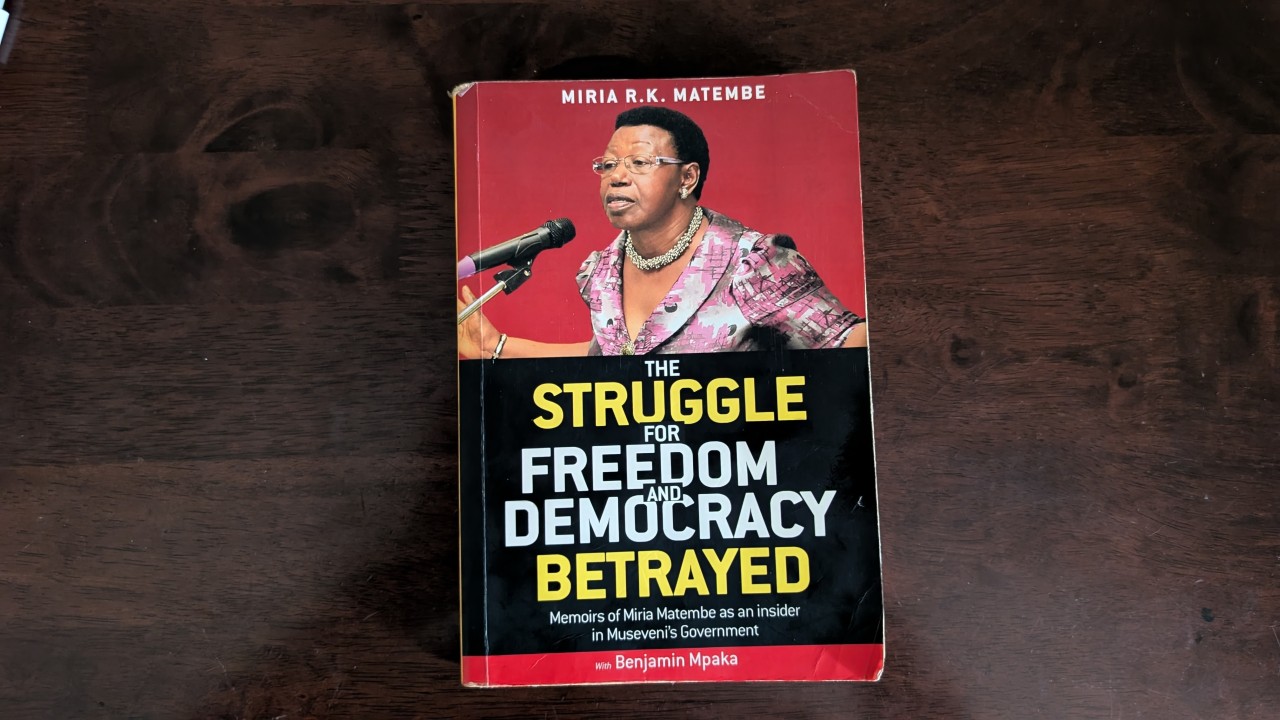
It was a striking image with portraits of Uganda’s most powerful women in all the three arms of government: executive, legislature, and the judiciary. On the surface, this looked like a triumph for gender equality: women occupying the highest decision making spaces in the land. Yet, as Hon Miria Matembe, a veteran politician and women’s rights activist who sat in both the Parliament and Cabinet reminds us in her 2019 book The Struggle for Freedom & Democracy Betrayed, presence in leadership does not automatically translate into progressive laws or policies that transform the lives of ordinary women.
Hon Matembe recounts how, in the late 1990s as the Cabinet debated the Land Act, 1998, attempts to secure the co ownership clause, a modest reform to give married women economic security over the matrimonial home, were defeated not only by the President but also by senior women ministers. In the book, she mentions powerful women leaders at the level of Vice President, Minister of Energy and another, a Minister of Education as strong opponents of the Bill. Ironically, one of these ministers even chaired a civil society outfit, the National Association of Women NGOs.
According to Hon Matembe, women leaders themselves opposed the measure, prioritizing their personal interests as landowners (since they had money and power) over the plight of their core constituency – millions of women who remain landless and vulnerable. At one point, she writes that the President asked her:
“Matembe, do you hear your fellow women? Why don’t you behave like them?”
Dumbfounded, she promptly responded:
“Mr. President, I am a different brand of a woman.”
Interestingly, Hon Matembe recounts three male cabinet colleagues who “spoke passionately in support of the clause”.
This episode, narrated in pages 159-160 of the book, exposes the illusion of inclusion: women in power, but without the influence, and I dare add, the empathy for those they represent.
As we push for women’s inclusion in land governance spaces and the articulation of their voice and protection of their agency, the lesson from this episode is sobering. Symbolic representation, does not innately guarantee transformative change. As Hon Matembe observed, women were co-opted into state patronage, serving government interests rather than advancing empowerment. Simply put, what we have is the rhetoric of inclusion masked with the reality of exclusion. Some women leaders have become instruments of the status quo, rather than champions of transformation.
As Uganda and the rest of the world celebrate women this month, we must ask: whose interests are being served by women in power? Are gender progressive laws on land, marriage, and divorce advancing? Or are ordinary women still locked out of economic security and political voice?
That is why conscientization is urgent. Women leaders must see beyond titles and personal privilege to embrace gender equality as a collective cause. Leadership must mean more than occupying space; it must mean dismantling barriers that keep ordinary women poor, landless, and powerless.
At Tenure Advisory, we believe that equipping women leaders with the tools, knowledge, and critical awareness to champion progressive reforms can move us beyond the illusion of inclusion toward genuine empowerment. Without consciousness, inclusion remains mere tokenism. With it, women leaders can become agents of gender transformation.
What steps do you think can move us beyond symbolic inclusion toward genuine gender transformation?